
Your heart is pounding, the air smells like burnt rubber, and someone is already asking if you are okay. In that moment, the last thing on your mind is paperwork, and that is exactly how it should be. This guide explains car insurance claims after accident events step by step, from the first minutes at the roadside to the final repair check, so you know what to do, what to say, and what to avoid. Every dollar figure here is a range or an illustration, because deductibles, repair costs, and rental rates vary widely by policy, state, and vehicle.
As an illustration, not a real driver, consider Daniel, who is rear-ended at a stoplight on his way home from work. His neck is sore, his bumper is crushed, and the other driver is apologetic but vague about insurance. Daniel does a few things right in the first hour. He calls for help, takes photos, and reports the crash, and those early steps make the rest of his claim far smoother than it might have been. You do not need to be perfect at the scene. You just need a clear order of operations.
One reassuring fact up front: you do not have to sort out who was at fault before you call your insurer, and you do not have to accept a settlement on the spot. Fault, coverage, and repair costs get worked out over days and weeks, not minutes. What matters most in the first hour is safety, medical care, and a basic record of what happened.
Safety and Medical Help First
Before anything else, check yourself and your passengers for injuries. Adrenaline can hide pain, so do not wave off a sore neck, a headache, or dizziness just because you can walk around. If anyone is hurt, or if you are unsure, call 911 and ask for medical help. Stay on the line and follow the dispatcher’s instructions.
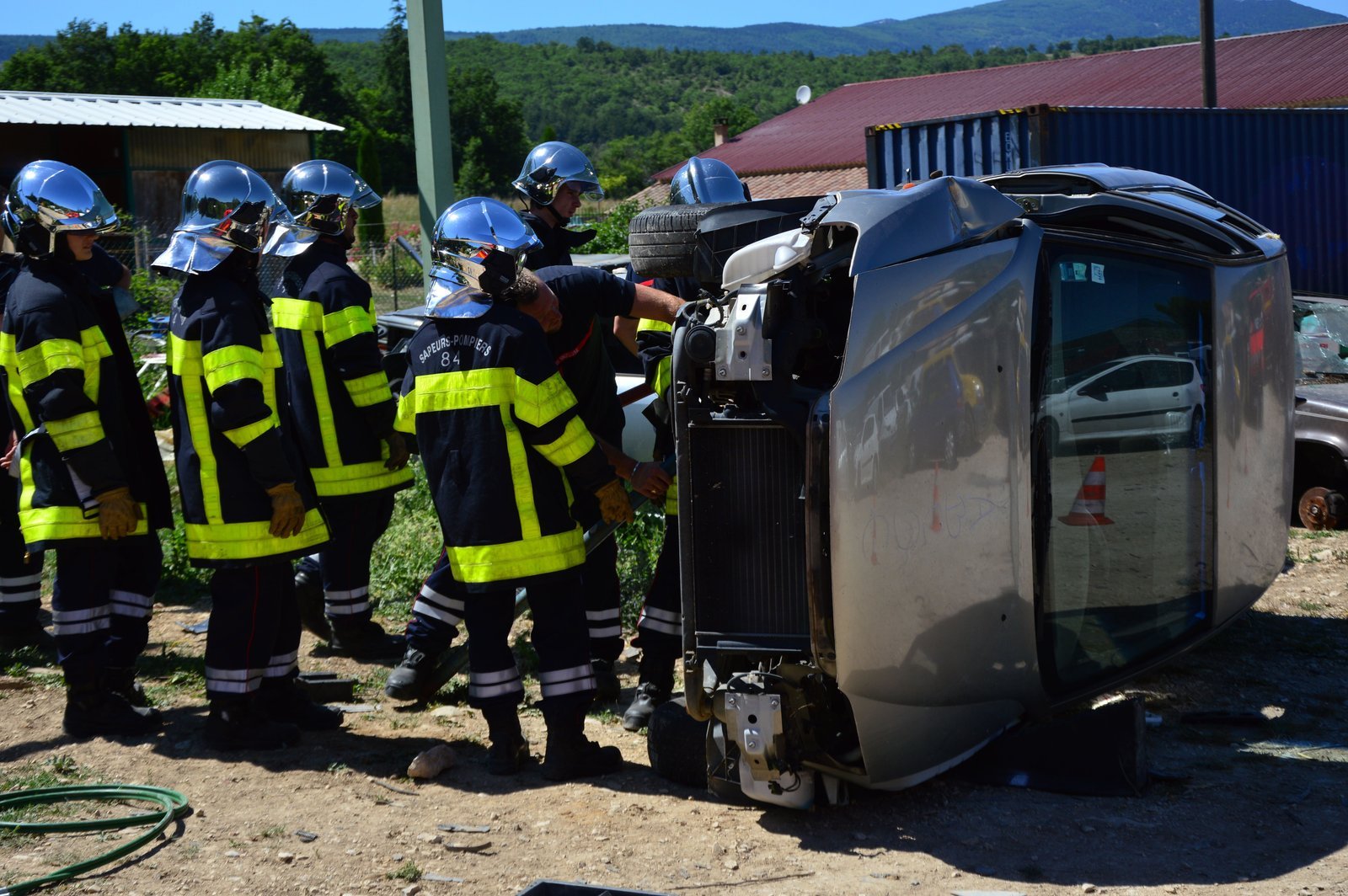
If the car can be moved safely and it is blocking traffic, move it to the shoulder or a nearby parking lot. Turn on your hazard lights first. If the car cannot move, or if there is leaking fuel, smoke, or a strong smell of gasoline, get everyone out and move well away from the vehicle. Do not stand between cars in moving traffic, and do not try to direct traffic yourself on a busy road.
At night or in bad weather, visibility matters even more. Keep your hazard lights on, and if you have a reflective vest or flashlight in the car, use them. If you must wait for help on a highway, standing behind a guardrail, away from traffic, is usually safer than sitting in a damaged car that could be hit again.
Even if you feel fine, pay attention to how you feel over the next day or two. Soft-tissue soreness, headaches, and stiffness often show up hours later. Seeing a doctor promptly is not only about your health. It also creates a medical record that links any treatment to the crash, which matters a great deal if an injury claim follows.
Calling the Police and Exchanging Information
In most states, you should call the police after a crash that involves injuries, significant damage, or a driver who leaves the scene. A police report is a neutral, third-party record, and insurers and adjusters lean on it heavily. When officers arrive, answer their questions honestly and stick to what you saw and did. You do not need to argue your case at the roadside.
Ask the officer how to get a copy of the report and note the report number, the officer’s name, and the agency. Reports are often available online within a few days, though in some places it can take a week or more. If police do not come to the scene, which happens for minor crashes in some cities, you can usually file a report yourself at the station or online, and you should still exchange information with the other driver.
Exchange the basics with every driver involved: full name, phone number, insurance company and policy number, driver’s license number, license plate number, and the make, model, and color of each vehicle. A photo of the other driver’s insurance card and license plate is faster and more accurate than copying details by hand in the rain. Also note the time, the exact location, the weather, and the road conditions while they are fresh.
If there are witnesses, ask for their names and phone numbers too. Independent witnesses can settle disagreements about what happened, and their memories fade fast. A short note, like the woman in the blue coat at the bus stop saw the whole thing, can be surprisingly useful weeks later when an adjuster asks who else was there.
Photos and Evidence at the Scene
Once everyone is safe and help is on the way, use your phone to build a record. Photograph each vehicle from several angles, including close-ups of the damage and wider shots that show the position of the cars, the road, traffic signs, and skid marks. Capture the license plates, the other driver’s insurance card, and the scene from the direction each driver was traveling. If it is dark, use your flash, and take more photos than you think you need. Storage is cheap, but a missing angle cannot be recreated later.
Short video helps too. A slow walk-around video, narrated calmly with the time and location, can show things still photos miss, like a broken traffic light, a blind corner, or a puddle of fluid under a car. Keep your narration factual. Say what you see, not who you blame. Save the original files, and do not edit or filter them, so the timestamps and details stay intact.
Write down your own account of the crash as soon as you can, even if it is just a few lines in your phone’s notes app. What were you doing? How fast were you going, roughly? When did you first see the other car? Memory shifts quickly, especially after a stressful event, and a same-day note is far more reliable than a memory from three weeks later. Keep every document connected to the crash in one place, whether that is a folder on your phone or an envelope at home: the police report number, the tow receipt, the body shop estimate, and every letter or email from an insurer.
What Not to Say: Avoiding an Admission of Fault
It is human to apologize after a crash, even when you did nothing wrong. Try to resist the urge to say things like it was my fault or I did not see you, whether to the other driver, to bystanders, or on a recorded call. Those words can be quoted back later, and fault is often more complicated than it feels at the roadside. A driver who feels guilty may in fact have been cut off, or may have been hit by someone who ran a light that was not visible from their angle.
That does not mean you should be rude or refuse to cooperate. You can be kind and factual without assigning blame. Exchange information, check whether the other driver is hurt, and call for help if needed. If the other driver pressures you to agree on fault, or offers cash on the spot to keep insurance out of it, be cautious. A quick cash offer rarely covers hidden damage or injuries that show up later, and once you accept it, you may have little recourse.
The same caution applies to social media. Posting photos of the crash, or writing about what happened, can hand an adjuster or an attorney statements that get read in the least generous way. Keep the details between yourself, your insurer, and, if you hire one, your attorney. And if you are contacted by the other driver’s insurer, you are not required to give a recorded statement on the spot. You can say you will speak after you have had time to review the facts, and you can talk to your own insurer first.
Notifying Your Insurer Promptly
Most policies require prompt notice of a crash, and waiting can cause real problems. Evidence disappears, witnesses become hard to reach, and some policies set deadlines for certain kinds of claims. A good rule is to report the crash the same day, or the next morning at the latest, even if the damage looks minor and even if you think the other driver should pay. You can report by phone, through the insurer’s app, or online, and you will usually get a claim number right away. Write it down.
When you report, stick to the facts: when and where the crash happened, who was involved, whether police came, whether anyone was hurt, and where the car is now. You do not need to know the repair cost yet, and you do not need to decide which coverage applies. The adjuster assigned to your claim will walk through that with you. If your car is not drivable, mention that early, because towing and storage charges add up fast, and your insurer may want the car moved to an approved location.
As an illustration, not a real claim, consider a driver who waits three weeks to report a fender-bender because the damage looked small. By then, the other driver has changed their story, the shop finds a cracked bracket behind the bumper, and the insurer asks why the delay made the damage harder to verify. Reporting early does not lock you into a repair decision. It simply protects your options and starts the clock on help like a rental car, if your policy includes it.
Collision vs Comprehensive vs Liability Claims
Which part of a policy pays depends on what happened, and the names confuse a lot of people. Collision coverage pays to repair or replace your own car after a crash with another vehicle or object, regardless of who was at fault, minus your deductible. If you hit a pole, or another driver hits you, collision is usually the coverage that fixes your car.
Comprehensive coverage, despite the broad name, is for damage that is not a collision: theft, vandalism, fire, falling objects, hail, flooding, and hitting an animal. If a deer runs into your path or a tree branch falls on your parked car, that is typically a comprehensive claim. Liability coverage, meanwhile, pays for damage and injuries you cause to other people and their property. It does not pay to fix your own car.
Knowing which bucket your crash falls into matters, because it decides whose insurer pays first, what deductible applies, and whether your rates are likely to be affected. When another driver is at fault, their liability coverage should pay for your damage and, in many cases, your medical costs up to their limits. When fault is disputed or the other driver has no insurance, your own collision and medical coverages may be the ones that step in while the argument gets sorted out.
Some states add their own layers. No-fault states require drivers to turn first to their own personal injury protection, or PIP, for medical bills after a crash, regardless of who caused it. Other states follow a traditional fault system. The practical point is the same everywhere: report the crash to your own insurer even if you are sure the other driver was at fault, because your insurer can advise you, open the right kind of claim, and pursue reimbursement from the other insurer, a process called subrogation, on your behalf.
Your Deductible: What You Pay First
Your deductible is the amount you pay out of pocket before your collision or comprehensive coverage starts paying. Common deductible choices range from $250 to $1,000, and some drivers choose $500 as a middle ground. If your repair costs $3,000 and your collision deductible is $500, the insurer generally pays $2,500 and you pay $500. If the repair costs less than your deductible, the claim may not be worth filing at all, because you would pay the whole bill yourself and still have a claim on your record.
When another driver is at fault and their insurer accepts liability, you may not have to pay your deductible at all, because their liability coverage pays your repair. But that process can take time, especially if fault is disputed. Some drivers choose to pay their own deductible and let their insurer repair the car under collision coverage, then let their insurer recover the money, including the deductible, from the at-fault insurer. Ask your adjuster how that recovery works in your case, and whether your deductible is refundable if the other insurer pays.
As an illustration, not a real policy, consider a driver with a $1,000 deductible and $1,400 of bumper damage. Filing a collision claim would pay only $400 after the deductible, and the claim could still affect future premiums. That driver might reasonably pay out of pocket and skip the claim. The same driver with $6,000 of damage would almost certainly file. The math is personal, and it depends on your deductible, your savings, and your tolerance for a possible rate change.
Repair Shop Choice and Estimates
After a crash, you will need an estimate of the repair cost, and you generally have the right to choose the repair shop. Insurers often suggest shops from their network, and those shops can be convenient, because they work directly with the insurer and may guarantee the work. But a network suggestion is not an order. If you trust an independent shop, you can use it, though you may need to handle a bit more paperwork, and the insurer will still only pay what it considers reasonable for the repair.
Get the estimate in writing, and ask the shop to explain anything you do not understand. Modern cars hide damage well: a cracked bumper cover can conceal a bent reinforcement bar, a damaged sensor, or a misaligned frame rail. Shops sometimes find extra damage once the car is taken apart, and a good shop will send a supplement — an updated estimate — to the insurer for approval before doing the extra work. Ask how supplements are handled, so you are not caught between a shop that wants to proceed and an insurer that has not yet approved the cost.
Also ask about parts. Repairs can use new original parts, aftermarket parts, or recycled parts from a similar vehicle, and your policy may say which are allowed. Original parts usually cost more, and some policies limit them to newer cars. If a part matters to you, for example a safety sensor or a bumper cover, ask what will be used and whether you can pay the difference to upgrade. And before you authorize repairs, check whether the shop guarantees its work and for how long, in writing.
Rental Car Coverage
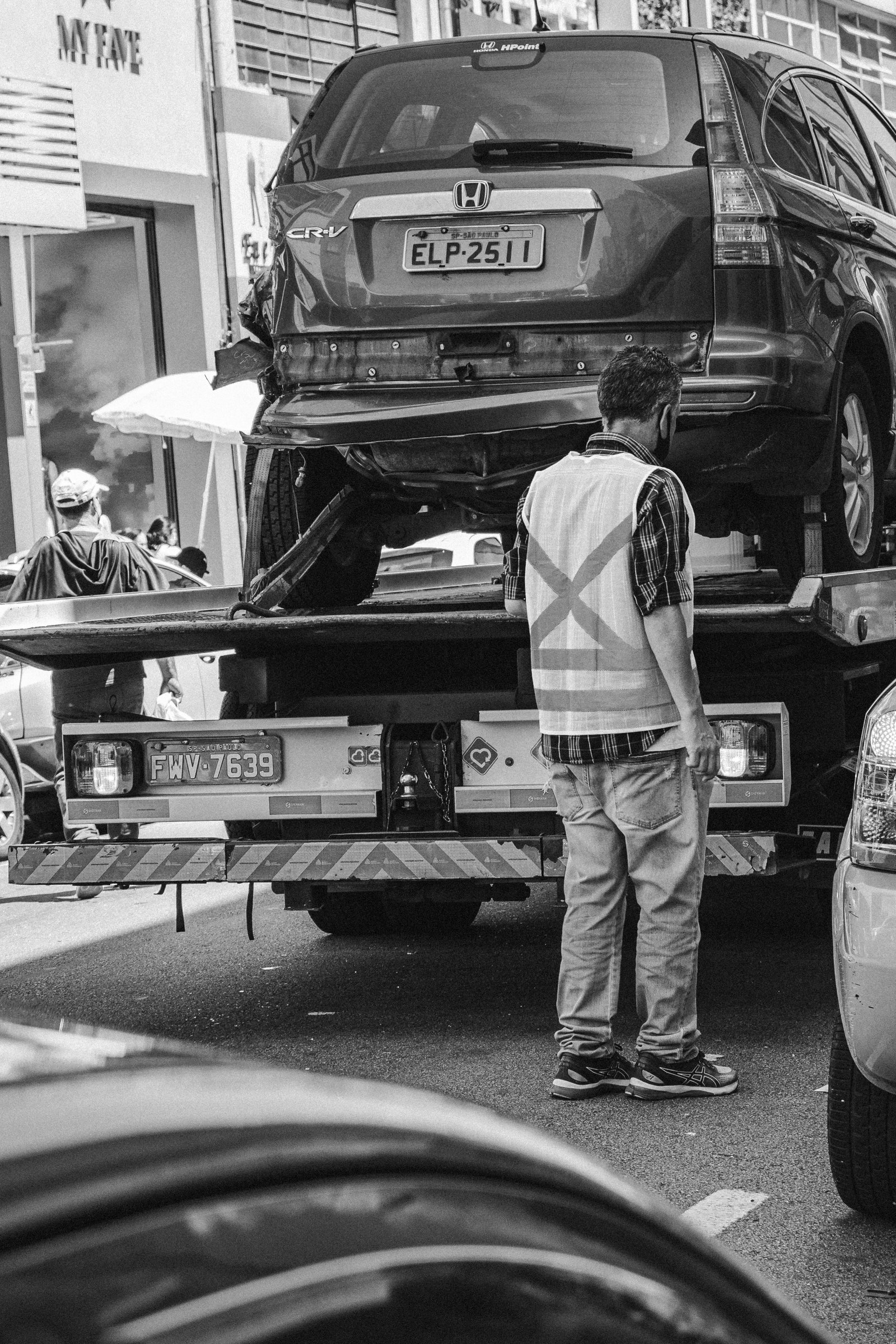
Being without a car is often the most disruptive part of a claim, especially if you commute or drive children to school. Rental reimbursement coverage, if you bought it, pays a daily amount toward a rental car while your car is being repaired after a covered claim, up to a daily limit and a total limit. Typical daily limits range from about $30 to $60 per day, with total limits that often run from $900 to $1,500, though both vary by policy. If you did not buy this coverage, you will usually pay for the rental yourself, unless the at-fault driver’s insurer agrees to pay it as part of their liability.
Check the details before you sign a rental agreement. Insurers generally pay only for the repair period plus a reasonable buffer, not for weeks of delay caused by waiting on parts or by a shop backlog that has nothing to do with your claim. Keep the rental receipt and the repair timeline together, and ask your adjuster to confirm the daily limit in writing. Renting a far more expensive car than your limit covers leaves you paying the difference, and that difference adds up quickly over a two-week repair.
When the other driver is at fault, their insurer may offer you a rental directly or reimburse you after the fact. Either way, confirm the arrangement in writing: which company, what class of car, and for how many days. And return the rental promptly when your car is ready. Extra days that are not authorized are a common source of billing disputes, and they are easy to avoid with one phone call.
Diminished Value in General Terms
Even a perfect repair can leave a car worth less than it was before the crash, because a vehicle with an accident on its history report usually sells for less than an identical car with a clean history. That loss is called diminished value. It is a real concept, but it is also one of the most argued-over parts of a claim, and the rules vary a great deal by state. Some states allow you to claim diminished value from the at-fault driver’s insurer, while others limit or reject such claims, especially against your own policy.
As an illustration, not a guaranteed outcome, consider a three-year-old sedan worth about $22,000 before a crash and repaired to a high standard. A buyer might pay $1,000 to $3,000 less for it than for the same car with no accident history, depending on the severity of the damage and the local market. Proving that gap usually takes evidence: the repair bill, photos of the damage, the vehicle’s history report, and sometimes an appraisal or comparable sales of similar cars. Keep those documents, and raise the topic with the adjuster before you accept a final settlement, because once you sign a release, the claim is usually closed.
Be realistic about expectations. Insurers often dispute diminished value on older cars, on cars with prior damage, or on minor repairs, and the amount is rarely large for a small dent. If the amount is significant and the insurer refuses, a consumer complaint to your state insurance department or advice from an attorney may be worth considering. But for most everyday claims, diminished value is a footnote, not the main event, and the repair itself matters far more.
Injury Claims and Medical Records
If anyone is hurt, the medical side of the claim deserves the same care as the repair side. Get checked promptly, follow the treatment plan you are given, and keep every record: emergency room visits, follow-up appointments, physical therapy, prescriptions, and time missed from work. Gaps in treatment, like skipping appointments for weeks and then returning, are often used to argue that an injury was not serious or was not caused by the crash.
Keep a simple diary of symptoms and limitations. Note what hurts, what you cannot do, and how long it lasts. That record, written in your own words on the day, is far more persuasive than a summary reconstructed months later. Also keep receipts for out-of-pocket costs: copays, prescriptions, medical devices, mileage to appointments, and any help you had to hire at home while recovering. These costs are part of many injury claims, but only if you can show them.
Be careful with early settlement offers on injury claims. An insurer may offer a quick payment within days of the crash, before the full extent of an injury is known. Once you accept and sign a release, you generally cannot reopen the claim if problems appear later. It is usually wiser to wait until treatment is complete or your condition has stabilized, and to get independent advice before signing anything, especially if the injury is more than minor soreness. Your health comes first, and a rushed settlement rarely serves it.
What to Do If the Other Driver Is Uninsured
Discovering that the other driver has no insurance is a frustrating moment, but it does not leave you without options. First, your own uninsured motorist coverage, if you carry it, is designed for exactly this situation. It can pay for your injuries, and in many states uninsured motorist property damage coverage can pay for your car repairs, up to your policy limits. Some states also offer underinsured motorist coverage, which applies when the other driver’s limits are too low to cover your losses.
Report the crash to the police and to your insurer, and give them everything you collected at the scene, including the other driver’s details, even if their insurance information turns out to be false or expired. If the driver fled the scene, a hit-and-run, note everything you remember about the vehicle and report it quickly, because some policies and some states set strict deadlines for hit-and-run claims, and prompt reporting is part of qualifying for coverage.
If you do not carry uninsured motorist coverage, your collision coverage can still repair your car, minus your deductible, and your health insurance can cover medical bills, though you may owe copays and deductibles there too. You can also consider small claims court against the other driver, though collecting from someone with no insurance is often difficult in practice. The longer lesson is worth remembering at renewal time: uninsured motorist coverage is usually relatively inexpensive compared with the protection it provides, and it is worth pricing when you review your policy.
Claim Timeline: What Happens and When
Every claim moves at its own pace, but the shape is usually similar. In the first day or two, you report the crash, the insurer opens the claim, and an adjuster contacts you. In the first week, the adjuster reviews the police report, inspects the damage or arranges an estimate, and confirms which coverage applies. Simple claims, like a broken mirror or a minor bumper repair with clear fault, can sometimes be settled within a week or two.
Larger claims take longer. If parts must be ordered, if hidden damage is found, or if injuries are involved, a claim can run for several weeks or even months. Injury claims in particular should not be rushed, because the full cost of treatment is not known until recovery is well underway. Throughout the process, respond promptly to requests for documents or statements, and keep a log of every call: the date, the person’s name, and what was agreed. If an adjuster promises something, ask for it in writing.
Delays are frustrating, but some are normal. Shops get busy, parts go on back order, and insurers need time to verify facts, especially when two drivers disagree. What should concern you is silence: if weeks pass with no update and no returned calls, escalate politely. Ask for a supervisor, put your request in writing, and note the dates. If the delay becomes unreasonable, a complaint to your state insurance department is a legitimate next step.
Mistakes That Slow Down a Claim
Most claim delays are not caused by insurers acting in bad faith. They are caused by ordinary, avoidable mistakes. Waiting too long to report the crash tops the list, because evidence fades and stories change. Starting repairs before the adjuster has seen the damage is another, because the insurer may refuse to pay for work it never approved or inspected. And signing a release or cashing a settlement check before you know the full repair or medical cost can close a claim you later wish was still open.
Other frequent mistakes include throwing away damaged parts, losing receipts, and failing to keep the insurer updated when your phone number, address, or repair shop changes. Keep the paper trail complete and in one place, and copy your adjuster on important updates in writing. A claim file that is organized and easy to follow tends to move faster than one the adjuster has to chase.
Frequently Asked Questions
How soon must I report a crash to my insurer? As soon as you safely can, ideally the same day. Most policies require prompt notice, and waiting can complicate the claim, especially if the other driver reports first or changes their account.
Will filing a claim raise my premium? It can, though not always, and not by a predictable amount. At-fault claims usually affect rates more than not-at-fault claims, and the effect varies by state, insurer, and your driving history. Ask your insurer how a claim might affect your renewal before you decide whether to file a small one.
Can I choose my own repair shop? Generally, yes. Insurers may suggest network shops, and those can be convenient, but you are usually free to use a shop you trust. The insurer will pay what it considers reasonable for the repair, so get the estimate approved before work begins.
What if the other driver’s insurer denies my claim? Ask for the denial in writing, with the reasons stated. Then check whether your own collision or uninsured motorist coverage applies, and consider whether the facts support a further challenge, a complaint to your state insurance department, or legal advice.
Do I have to give a recorded statement to the other driver’s insurer? You are not required to do so on the spot. You can decline until you have reviewed the facts and spoken with your own insurer, and you can keep your answers short and factual if you do speak.
How long do I have to file a claim? Policy deadlines and state laws vary, and injury claims have separate legal deadlines called statutes of limitations that differ by state. Report promptly and ask your insurer about any deadlines that apply to your claim.
Conclusion
A car crash is stressful enough without a confusing claims process. Safety first, medical care second, and then a calm, documented approach: call the police, exchange information, photograph the scene, report the crash promptly, and keep every document in one place. Understand which coverage applies, what your deductible means, and what your repair and rental options are, and do not rush into a settlement before you know the full picture.
If damage happens, do not panic and do not guess. Take photos, get checked by a doctor if anything hurts, call your insurer, and let the process work step by step. A well-documented claim, filed early and followed up in writing, gives you the best chance of a fair repair, a fair rental, and a fair result.
Disclaimer: This article is general educational information only, not personal financial or legal advice for your specific claim. Coverage, deadlines, and rules vary by policy and state, so check your own policy and consider speaking with a licensed insurance professional or attorney for your situation.