
When most homeowners think about protecting their house, they picture fire, theft, or a fallen tree. Flooding rarely makes the list, until the water is already in the living room. That gap in thinking is expensive, because flood insurance is usually a separate policy, and the damage a flood causes is often far larger than people expect. This guide explains what flood insurance covers, how it differs from your regular home policy, what it costs in general terms, and whether you need it even if your home sits outside a mapped high-risk zone.
Why Standard Home Insurance Usually Does Not Cover Flood
Here is the surprise that catches many homeowners: a standard homeowners policy typically excludes flood damage. It covers many water problems, such as a burst pipe inside the house or rain entering through a wind-damaged roof, but rising water from outside, overflowing rivers, storm surge, and heavy rain that floods streets and yards is a different category in insurance terms, and it is usually left out.
That distinction matters because floodwater does not behave like a burst pipe. A burst pipe affects one room. A flood can fill a whole ground floor, ruin flooring, drywall, appliances, and furniture, and leave behind mold that needs professional cleanup. Repair bills after a serious flood commonly run into tens of thousands of dollars, and in severe cases far more. Without a flood policy, the homeowner pays all of that out of pocket, or waits for disaster assistance that is often a loan, not a grant.
Many people discover the gap only after a claim is denied. They assume that because their home policy covers water damage, it covers all water damage. It does not. The wording to look for is the flood exclusion, which is standard in most homeowners policies. If you want coverage for rising water, you buy it separately, either through the National Flood Insurance Program or through a private insurer.
What Counts as a Flood
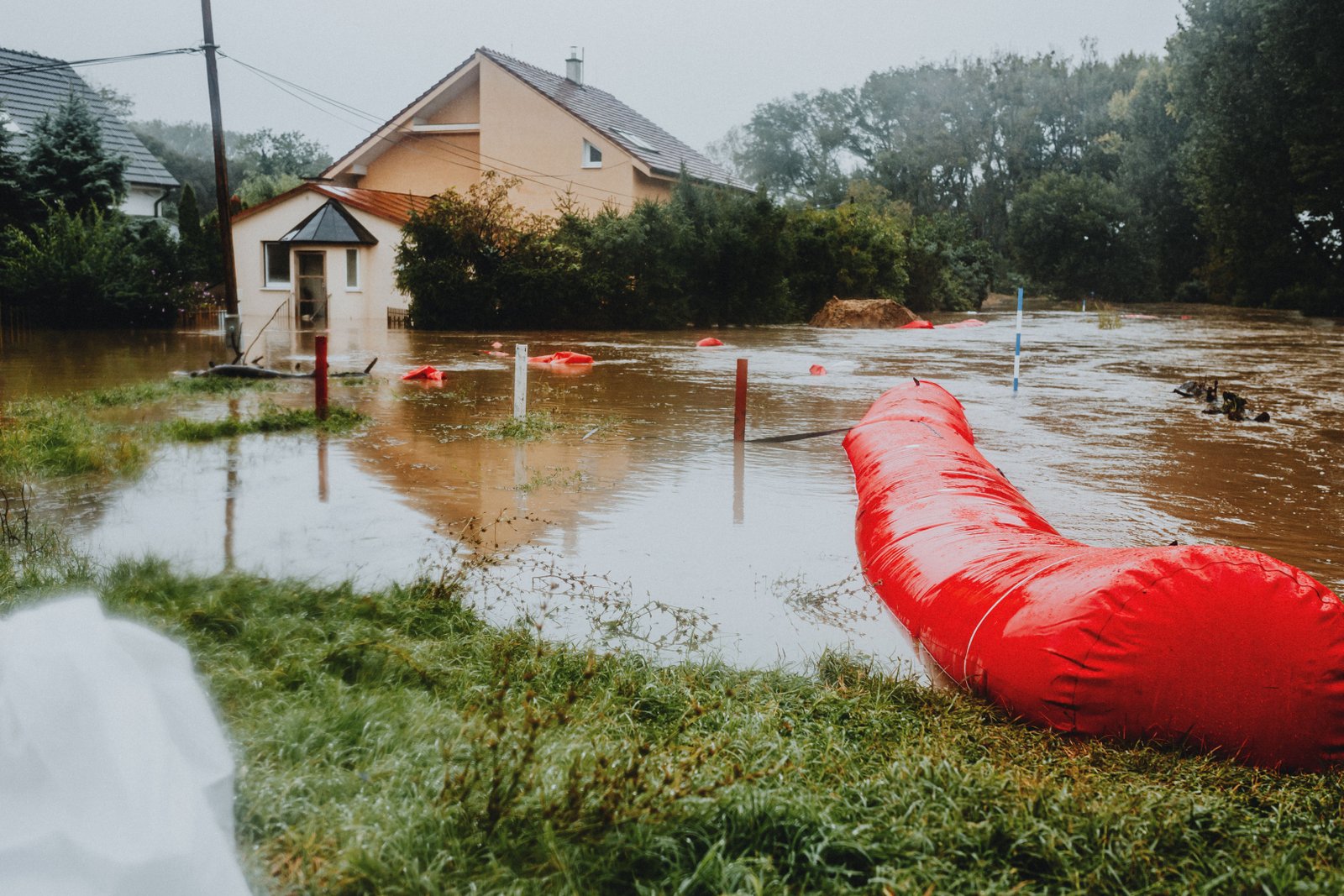
Insurers use a specific definition, and it is narrower than everyday language. In general, a flood is an overflow of inland or tidal waters, unusual and rapid accumulation of surface water, mudflow, or the collapse of land along a shore as a result of erosion from waves or water. In plain terms: water that rises from outside and covers normally dry land, affecting at least two properties or two acres, is typically what a flood policy is designed for.
A few examples help. A river that overflows its banks after days of rain and fills nearby streets is a flood. Storm surge pushing seawater into coastal neighborhoods is a flood. Heavy rain that overwhelms drains and sends water across a whole subdivision is a flood. A single broken water main that floods only your basement, on the other hand, is usually handled differently, often under a homeowners policy or a water backup endorsement, not a flood policy.
The distinction is not academic. If you file a claim, the insurer will check whether the event fits the policy’s definition of a flood. Understanding that definition before you buy means fewer surprises after a storm, and it helps you decide whether you also need related coverages, such as sewer backup protection, which flood policies generally do not include.
NFIP vs Private Flood Insurance
In the United States, flood insurance comes from two main sources: the National Flood Insurance Program, known as NFIP, which is run by the federal government, and private insurers that sell their own flood policies. Both pay for flood damage, but they differ in limits, pricing, and extras, so it is worth comparing them rather than assuming one is automatically better.
NFIP policies are available in participating communities, which covers most of the country, and they have standard limits: building coverage up to $250,000 for a typical home, and contents coverage up to $100,000, in general terms. NFIP does not cover additional living expenses, such as a hotel stay while your home is repaired, and it does not cover basements in the same way as upper floors, which we cover below. Pricing under NFIP’s newer rating system reflects the property’s individual risk, including distance to water, elevation, and rebuilding cost.
Private flood insurance can offer higher limits, which matters if your home would cost more than $250,000 to rebuild, and some private policies add living expenses, replacement cost for contents, or shorter waiting periods. Private insurers can also decline a property or charge more for high-risk homes, and their terms vary more from company to company. The practical approach for most homeowners is to get a quote from both, compare the coverage side by side, and check the exclusions rather than just the premium.
Coverage Limits and Exclusions in General Terms
Flood policies cover the building and, if you buy it, its contents, but the details matter. Building coverage pays for the structure itself: walls, floors, built-in appliances, electrical and plumbing systems, and permanently installed fixtures. Contents coverage pays for movable property: furniture, clothing, electronics, and portable appliances. Under NFIP, building and contents are separate coverages with separate limits and separate deductibles, so you need to choose both deliberately.
Exclusions are just as important. Flood policies generally do not cover damage from earth movement, even if a flood caused it, or damage to vehicles, outdoor property such as decks and fences beyond limited amounts, or currency and precious metals. They also do not cover the cost of temporary housing while repairs are made, unless a private policy adds it. And coverage for basements is limited: NFIP covers structural elements and essential equipment in a basement, such as a furnace or water heater, but generally not finished walls, flooring, or personal belongings stored there.
One more distinction: replacement cost versus actual cash value. NFIP pays replacement cost for the building of a primary residence in many cases, but contents are paid at actual cash value, which subtracts depreciation. A ten-year-old sofa is not reimbursed at the price of a new one. Private policies sometimes offer replacement cost for contents too, which is worth asking about if your home holds a lot of valuable furnishings or equipment.
Flood Zones and Maps
Flood zones come from maps produced by the Federal Emergency Management Agency, known as FEMA. The best-known zones are the high-risk areas, often labelled Zone A or Zone V, where there is a higher annual chance of flooding, and where mortgage lenders usually require flood insurance for homes with federally backed loans. Moderate- and low-risk zones, often labelled Zone B, C, or X, carry lower mapped risk, but lower does not mean zero.
Maps are a starting point, not a guarantee. They are drawn from historical data and modelling, and they can be out of date. New development changes how water drains, heavier rainfall patterns shift risk, and a map drawn years ago may not reflect today’s conditions. FEMA updates maps over time, and a property can move into or out of a high-risk zone when a new map takes effect. That is one reason a homeowner who was told years ago that they were safe should check again.
You can look up your property’s mapped zone on FEMA’s flood map service, and your insurer or agent can do the same. If your home is in a high-risk zone and you have a mortgage, flood insurance is likely required. If you own the home outright, it is not legally required, but the risk does not disappear with the mortgage. The map tells you about the average risk of the area, not whether your particular house will flood in the next storm.
Waiting Periods
Flood insurance has a waiting period, and it is one of the most important details to understand before storm season. An NFIP policy generally does not take effect until 30 days after you buy it. That means you cannot buy coverage the day a hurricane is forecast and expect a claim for that storm to be covered. Private policies have their own waiting periods, often shorter, sometimes around 10 to 15 days, but rarely zero.
There are exceptions. If you buy flood insurance because a lender requires it for a new mortgage, or because a map change puts your home in a high-risk zone, the waiting period may be shorter or waived. Renewals of existing policies generally have no new waiting period. The practical lesson is simple: buy flood insurance when the sky is clear, not when a storm is on the news. The best time is well before the season when flooding is most likely in your area.
Cost Factors
Flood insurance premiums vary widely, and the range is broad. A homeowner in a low-risk zone might pay a few hundred dollars a year, while a home in a high-risk coastal zone with a low elevation could pay several thousand. The main factors are the flood zone, the elevation of the home relative to the base flood level, the age and construction of the building, the amount of coverage, the deductible, and the property’s flood history.
Elevation is a big one. A home raised above the base flood level generally costs less to insure than a home at or below it, which is why an elevation certificate, a survey document showing the building’s height, can be worth obtaining. The deductible matters too: a higher deductible lowers the premium, but it also means you pay more out of pocket before coverage starts, so it should be an amount you could actually afford after a flood.
Mitigation can help over time. Elevating utilities, installing flood vents, grading the yard away from the house, and using flood-resistant materials can reduce risk and sometimes reduce premiums. Some communities participate in programs that earn premium discounts for the whole area by taking floodplain management steps. Ask your insurer what mitigation credits are available, and keep records of any improvements you make.
What to Do If You Are Outside a High-Risk Zone
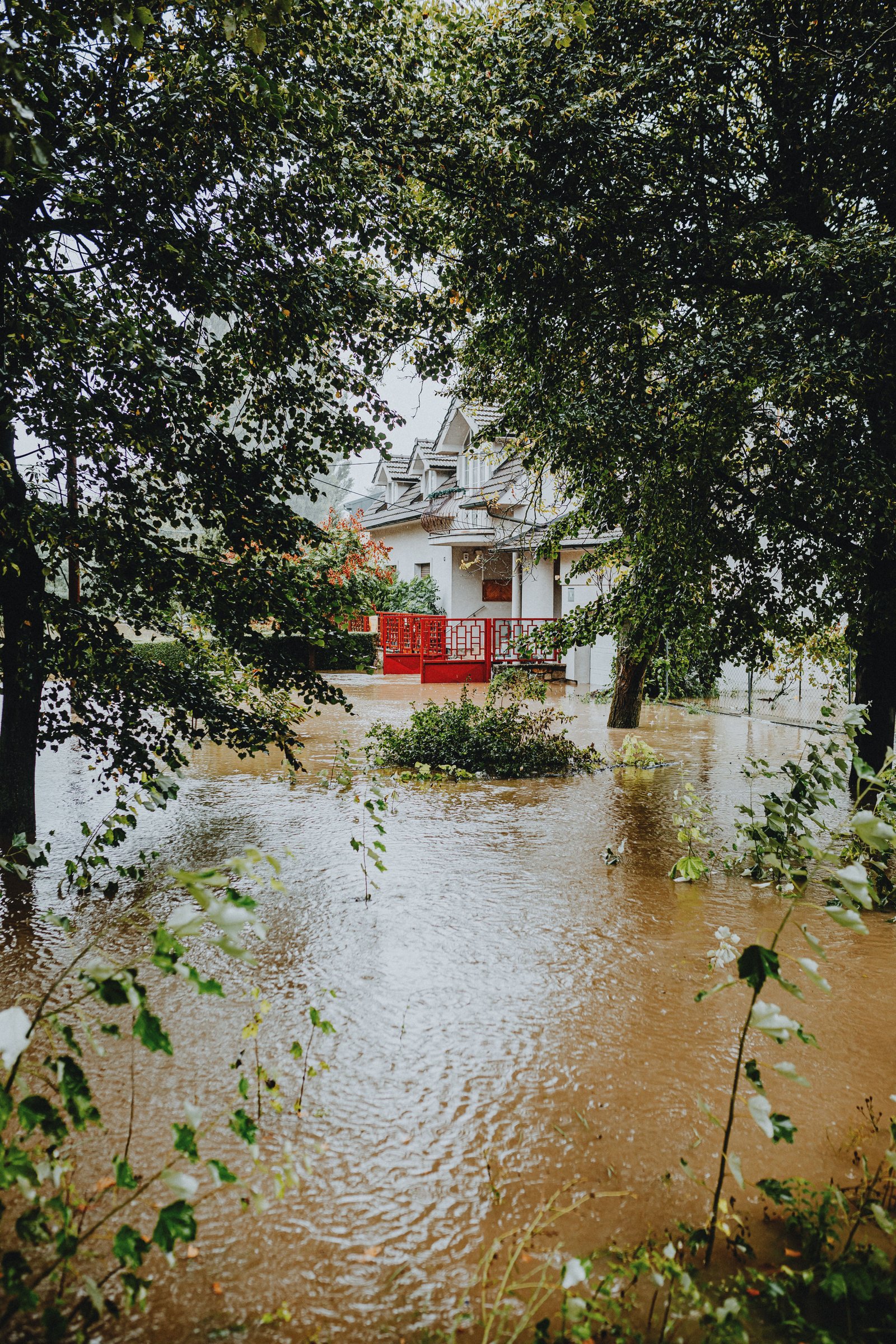
This is the question in the title, and it deserves a straight answer: yes, flood insurance can still be worth it outside a high-risk zone. A large share of flood claims come from properties mapped as moderate or low risk. That happens because maps describe average risk across an area, while flooding is local. A clogged culvert, a new housing development uphill, or a storm that stalls over one neighborhood can flood homes that never appeared on a high-risk map.
Here is an illustration, not a real homeowner. Imagine Tom and Rachel, who bought a house on a gentle rise outside the mapped floodplain. Their lender did not require flood insurance, and their neighbors said the area never floods. Then a slow-moving storm drops a foot of rain in two days, the small creek behind their subdivision overflows, and water reaches their ground floor. Their home policy denies the flood damage. A flood policy bought the previous year for a few hundred dollars would have covered most of the repair. The lesson is not that every home outside a flood zone will flood, but that the risk is real enough to price, not to ignore.
Outside high-risk zones, premiums are usually much lower, which changes the calculation. When coverage costs a few hundred dollars a year and a single flood can cost tens of thousands, many homeowners decide the premium is worth the peace of mind. Get a quote before deciding: the number may be smaller than you expect, and the decision becomes much easier with a real price in front of you.
Basement and Contents Coverage
Basements deserve special attention because they flood first and are covered least. Under NFIP, a basement is any area with its floor below ground level on all sides. Coverage there is limited to structural elements and essential equipment: walls and floors in their unfinished state, furnaces, water heaters, air conditioners, and electrical junctions. Finished walls, carpeting, furniture, and belongings stored in a basement are generally not covered, even if the rest of the house is.
That means a finished basement with a home theater, a guest bedroom, or stored keepsakes is largely unprotected by a standard flood policy. If your basement is finished, talk to your insurer about what a private policy might add, and consider practical steps: store valuables on upper floors, raise appliances on platforms where possible, and install a sump pump with a battery backup. Contents coverage for the rest of the house works differently: it covers movable property throughout the home, but at actual cash value under NFIP, so keep an inventory with photos and receipts to support a claim.
Claims Basics
If a flood damages your home, the claims process starts with safety and documentation. Do not enter a flooded home until authorities say it is safe, and do not touch electrical systems while standing in water. Once it is safe, photograph and video everything before you move or discard items, because the insurer needs evidence of the damage as it was. Make a list of damaged items with approximate age and value, and keep samples of damaged materials such as flooring or drywall where possible.
Contact your insurer promptly and file the claim, then take reasonable steps to prevent further damage, such as removing standing water, drying out rooms, and covering broken openings, while keeping receipts for any emergency work. An adjuster will inspect the property, and the insurer will compare the damage with the policy’s coverage and limits. Payment for a flood claim can take weeks or months after a major event, when adjusters are handling many claims at once, so keep copies of everything and follow up in writing.
One practical point: flood claims are separate from homeowners claims. If a storm causes both wind damage and flood damage, you may file two claims under two policies, and each has its own deductible. Keep the damage clearly documented by cause, because the wind insurer will not pay for flood damage and the flood insurer will not pay for wind damage.
Frequently Asked Questions
Does my homeowners insurance cover flooding? In most cases, no. Standard homeowners policies exclude flood damage from rising water. You need a separate flood policy, either through NFIP or a private insurer, to cover that risk.
Do I need flood insurance if I am not in a flood zone? It is not usually required by a lender outside a high-risk zone, but it can still be worth buying. Many flood claims come from moderate- and low-risk areas, and premiums there are typically much lower than in high-risk zones. Get a quote and weigh the cost against the potential repair bill.
How long do I have to wait for coverage to start? NFIP policies generally take effect 30 days after purchase, with limited exceptions, such as when a lender requires coverage for a new loan. Private policies often have shorter waiting periods, but check the exact number before you buy, and do not wait until a storm is forecast.
What does NFIP cover, and what does it not cover? NFIP covers the building up to $250,000 and contents up to $100,000 in general terms, with separate deductibles. It does not cover additional living expenses, vehicles, or most basement belongings, and contents are paid at actual cash value. Private policies may offer higher limits and extras, so compare them side by side.
Is flood insurance required if I have a mortgage? If your home is in a high-risk flood zone and your mortgage is federally backed, your lender will generally require it. Outside high-risk zones, or without a mortgage, it is usually optional, but the risk remains, so the decision should be based on your property’s exposure, not just the requirement.
Conclusion
Flood insurance is one of those coverages that feels optional until the day it is not. Your standard home policy almost certainly excludes rising water, and a single flood can cost more than years of premiums. The good news is that the decision does not have to be a guess: check your flood zone, get quotes from NFIP and at least one private insurer, and compare limits, deductibles, and exclusions rather than price alone.
Even if your home sits outside a mapped high-risk zone, a quote costs nothing and may surprise you with how affordable coverage is. Buy before storm season, keep an inventory of your belongings, and store valuables above basement level where you can. A little preparation now is what turns a flood from a financial disaster into a repair job your insurance helps pay for.
Disclaimer: This article is general educational information, not personal financial or legal advice. Flood insurance rules, limits, and costs vary by program, insurer, and location, so check current NFIP and private policy terms and talk with a licensed insurance agent about your own property before buying coverage.